There is a minute on every journey when the plan brushes up versus reality. The climate slides in very early. A companion twists an ankle joint on a scree traverse. The oven flares, and someone orders the pot with damp, scorching fingers. In those beats in between injury and result, excellent first aid transforms panic into a strategy. The skill does not change judgement, navigation, or physical fitness. It lets you get time and make sound choices when the local center is a trailhead miles away.
This guide mixes field-tested techniques with the structure of modern-day first aid training. It is not an alternative to a hands-on first aid course or a CPR course, however it will certainly aim you towards what matters most when the wild adds time and distance between you and expert care.
The wild difference
Urban very first responders procedure arrival times in minutes. In the backcountry, the clock behaves in a different way. A five-mile carry-out on broken surface with a light rain and reduced spirits can extend to 4 hours. Your decisions must account for delayed evacuation, restricted supplies, and direct exposure. The leading priority changes from fast transport to stabilizing breathing, circulation, and warmth, then choosing whether to push on, build sanctuary, or signal for help.
Good first aid in remote areas leans on clear thinking and easy treatments that deal with limited resources. Tape becomes splinting product, a puffy jacket comes to be an improvisated cervical collar, and clean water you were conserving for dinner ends up being the difference between a contaminated injury and a tidy one. This frame of mind comes to life in sensible first aid courses that emphasize improvisation and scene management, not simply book lists.
Build a set you in fact understand just how to use
The sleek, shrink-wrapped kit at the gear shop looks comforting. Too often, it hides 3 rolls of gauze and a solitary adhesive tape under a plastic whistle. Construct your set around likely troubles for your trip length, group dimension, and environment, then refresh it after each outing.
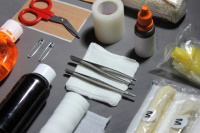
For weekend break hikes in pleasant climates, a little kit with finger splint, numerous dimensions of adhesive bandages, a roll of natural cover, triangular plaster, sterilized gauze pads, antibiotic ointment, sore therapy, tweezers, tape, dental rehydration salts, advil, acetaminophen, loperamide, antihistamine, and a pair of clinical handwear covers covers an unusual range. Add an epinephrine auto-injector if you or a companion has understood extreme allergies. For alpine or desert routes, include added sore treatment, a SAM splint, a wound watering syringe, and more gauze. River journeys require a more robust set because discharge is a lot more challenging, and moisture spoils packaging.
Skill matters more than supply. Method taping an ankle joint, watering a wound with a syringe, and using a stress dressing up until it feels normal. An evening at home is the time to find out how to open a mylar covering or fit a tourniquet, not on a gusty ridge with headlamps dying.
Stop, appearance, pay attention: scene size-up and first moves
When something goes wrong, take 3 slow breaths while you scan for risks. Sliding rocks, dropping arm or legs, unpredictable snow, or a flaring range can transform a single casualty into numerous. Move the team and the client to a safer area if you can. After that call out to the wounded individual. If they respond to plainly, you already understand 2 important points: they are taking a breath and have a pulse.
The key analysis runs in a simple rhythm you will practice in any kind of strong first aid and CPR course. Examine responsiveness and respiratory tract. Look, pay attention, and really feel for breathing. If breathing is lacking or abnormal and you are trained in CPR, begin compressions and send a person for assistance. For backcountry rescues, the decision to do CPR is nuanced. If the apprehension is seen, because of sinking or lightning, and you can begin within a couple of minutes, CPR might be lifesaving. If the arrest is unwitnessed and you are hours from definitive care, outcomes are poor. This is why a CPR refresher course that deals with outdoor situations is worth the time. It provides you reasoning, not simply steps.
If breathing continues, transform to bleeding. Arterial blood loss is brilliant and quick, venous is darker and stable, capillary gooks. Apply straight stress with gauze or a tidy cloth and keep it without glimpsing. If the clothing soaks with, include more ahead. Tourniquets belong for serious limb bleeding when pressure falls short. Place high and tight on the limb, note the moment, and do not remove it in the area unless you have progressed training and a clear factor. Improvised tourniquets seldom function unless constructed with a large strap and a strong windlass. A genuine business tourniquet evaluates little and can save a life. It belongs in group sets for climbing up, chainsaw work at camp, or bikepacking on harsh terrain.
Once you have bleeding regulated and breathing assured, address flow in a broader feeling: shock. In the outdoors, shock usually comes from blood loss, dehydration, anaphylaxis, or sepsis from delayed wound treatment. Lay the client level ideally, boost legs a little unless there is a believed pelvic, spinal, or reduced limb injury, and keep them cozy. Heat is not an afterthought. Even moderate hypothermia aggravates blood loss and changes psychological status, which makes complex whatever else.
Airway and breathing in the wild
Airway problems are rare but essential. A conscious patient that can talk has a license air passage. If they Gympie first aid courses are unresponsive and breathing, place them on their side with the head somewhat back to keep the tongue clear and allow vomit to drain pipes. Snow, sand, and leaves complicate this, but tiny modifications like a rolled jacket under the back, a pack as a wedge, and a tiny trench for the mouth can make it work.
Breathing issues in the backcountry commonly come from bronchial asthma, allergies, breast injury from drops, or high elevation. A wheezing hiker that left their inhaler in the automobile is an avoidable story. Motivate journeys to consist of repetitive inhalers in the team kit. For anaphylaxis, an epinephrine auto-injector need to be utilized when there is air passage participation, breathing problem, or considerable circulation signs like dizziness or collapsing along with hives or swelling. After epinephrine, antihistamines can aid with skin signs and symptoms yet do not change epinephrine for the lethal parts. Plan for evacuation even if the individual boosts, due to the fact that rebound reactions happen.
Chest injuries come as bruised ribs or, seldom, penetrating trauma from branches or falls onto sharp rock. Painful however steady rib injuries recover with time and remainder. Support with an upper body wrap just if discomfort badly limits breathing, and display to avoid extremely tight covers that restrict upper body development. For open breast wounds, seal three sides to develop a flutter shutoff effect, or utilize a vented chest seal from your set if you lug one. This is an innovative scenario for many hikers, however not as uncommon for arborists, seekers, or off-trail scramblers.
Head injuries and making the phone call on concussions
On tracks, head injuries typically originate from slides, bike crashes, or rockfall. Loss of awareness also for a couple of seconds is worthy of focus. Confusion, memory voids, migraine, queasiness, sensitivity to light or sound, and equilibrium issues recommend trauma. In the city, the suggestions is rest and monitoring with simple accessibility to care. In the backcountry, the choice is whether to stop, construct sanctuary, and screen, or to leave immediately.
Persistent throwing up, getting worse headache, sleepiness that is tough to wake, one student larger than the other, seizures, or weakness on one side factor toward severe mind injury, and you should relocate to leave as quickly as it is safe. If the patient supports but continues to be foggy, decrease effort, keep stimulations low, and strategy leave within 1 day. Helmets are not a cure-all, but they interrupt a great deal of negative stories before they start. I have seen a foam headgear broken with after a basic creek going across autumn. The hiker walked out with a frustration, not a medevac.
Wounds, burns, and infection in sandy environments
Dirt is the opponent. The distinction between a tidy wound and an infected one frequently comes first aid course Ringwood down to ten extra minutes with clean water and a syringe. Cut clothing around the injury instead of pulling material over it. Remove embedded grit with pressurized irrigation. You can make a functional irrigator by filling up a 10 to 20 milliliter syringe and pushing hard, or puncturing a small hole in a canteen cap to create a jet. Go for sufficient volume that the water runs clear, normally a couple of hundred milliliters for little lacerations and considerably a lot more for larger, infected wounds. If you need to make use of a stream, choose clear, rapid water and keep your products as tidy as possible.
Close just tiny, clean cuts with sticky strips or skin glue. Leave leaks and dirty wounds available to drain pipes, after that cover with sterilized gauze and a breathable cover. Modification dressings daily, or faster if damp or dirty. Indicators of infection include raising inflammation, heat, swelling, pain, red streaks extending from the injury, and fever. On remote trips with multi-day departures, bring a standard antibiotic if you have training and a prescription strategy from a medical professional. Even after that, excellent cleaning is normally more effective than pills.
Burns at camp are remarkably typical. Boiling water on revealed skin and heavy steam burns from covers are far more frequent than incredible fire injuries. Great the melt instantly with clean, great water for at least ten mins. Do not use ice, butter, or tooth paste, despite the misconceptions that continue around outing tables. Delicately eliminate rings and watches before swelling starts. Cover with a sterile, non-adherent dressing. For bigger burns, wrap freely to prevent fluid loss and preserve heat for the rest of the body. Burns over joints tense quickly, so motivate mild motion after the discomfort alleviates, and monitor for indications of infection. Any type of circumferential melt around a limb, or burns including the face, hands, feet, genitals, or major joints should have prompt evacuation.
Sprains, fractures, and the fine art of strolling out
Twisted ankle joints can end journeys or mess up periods if handled badly. The guideline I use after years assisting route staffs is this: if the person can birth weight after the very first pain subsides, also gingerly, you are most likely checking out a sprain. Relax quickly, press with a flexible wrap, elevate when stationary, and cool the location with water-soaked cloths. Insulation before the next day's hike assists. If bearing weight is difficult, or if there is visible defect, considerable bone tenderness, or a sense of grinding, treat as a fracture.
A SAM splint and 2 bandages can transform an arm or leg from pain to tolerable. Pad pressure factors with clothes, debilitate the joint over and listed below the injury, and secure with covers or tape. Recheck flow, sensation, and activity past the splint after you protect it. If toes or fingers grow cold, numb, or blue, loosen up and readjust. On steep terrain, in some cases the safest action is to support, construct sanctuary, and wait on help as opposed to run the risk of an autumn throughout a self-evacuation. This is where journey plans and communication devices pay off.
Heat, cold, and elevation: the slow-burn emergencies
These problems unfold over hours, not minutes. They sneak past people who feel great up until they do not.
Heat exhaustion shows up as hefty sweating, weakness, nausea or vomiting, frustration, and often pains. Transfer to color, loosen up clothing, and begin active cooling with damp bandanas, fanning, and amazing liquids with electrolytes. The majority of hikers have actually been near this state without recognizing it. Heat stroke is various and harmful. When the body sheds the ability to cool down, core temperature soars, psychological condition modifications, and sweating first aid trainer certification might quit. Fast air conditioning becomes the top concern. Douse with water, submerse in a creek if risk-free, place cold pack in the underarms and groin, and leave asap. Do not delay cooling down to start a walk out.
Hypothermia is not simply a winter months trouble. A gusty summit in wet clothing can drop a person right into mild hypothermia even at 50 degrees Fahrenheit. The very early signs look like the trip overtaking a person: shivering, slurred speech, clumsiness. Add calories, get rid of wet layers, add insulation and a windproof covering, and create a warmth catch with a mylar covering and resting bag. In moderate situations, cozy sweet beverages assist. Extreme hypothermia, with slowing down heartbeat, reduced awareness, and sometimes paradoxical calm, requires gentle handling. Rough movement can precipitate dangerous heart rhythms. Shield from the ground, include warm packs to the underarms and groin, and focus on easy rewarming while you set up evacuation.

Altitude ailment begins as a bothersome headache, bad sleep, anorexia nervosa, and moderate queasiness for those who rise quickly above 8,000 feet. The therapy is traditional: do not go higher till signs enhance, remainder, hydrate, and take into consideration acetazolamide per a strategy made with your medical professional. Extreme kinds include high-altitude cerebral edema and high-altitude pulmonary edema, which offer with worsening frustration, complication, ataxia in the first case, and shortness of breath at rest and a coughing in the second. The treatment is descent. Oxygen and medications might assist, however relocating down is the intervention that alters outcomes. I have seen pleased plans collapse beautifully for a very early descent, and those trips frequently end up as the best stories due to the fact that everyone returned healthy.
Navigation of decisions: when to stay, when to go
Field first aid is a chain of reasoning phone calls. You are constantly balancing danger now against threat later on. Staying conserves power, keeps the group together, and permits the injured individual to recover while you support them. Relocating stops nightfall from capturing you, shuts the space to a trailhead, and shortens evacuation time if the condition aggravates. The right option relies on terrain, weather, daytime, team ability, and the injury itself.
An easy framework assists. If the individual is unpredictable or degrading in spite of great treatment, begin evacuation quickly. If they are stable, in pain yet boosting, and the course ahead is safe, a slow-moving walk-out may be best. If surface is dangerous, climate is transforming, or you can stagnate without high risk, sanctuary in position and call for assistance. Constantly calibrate these options with lives and distances. Hopes and maps are not alternatives to ground reality. In the canyonlands, I have actually seen parties underestimate the initiative of a mile up dry pour-offs by an aspect of 3. The damaged suffer two times in those mistakes.
Communication and the modern-day safety net
It is a present to reside in a time when a tiny satellite tool can send an SOS from a lonely ridge. That does not absolve you from judgement. It increases your choices. On group trips, mark a main communicator that brings the tool and a backup that recognizes the login and settings. Method sending out a check-in message, sharing collaborates, and terminating a false alarm. Pack added batteries or a power bank, and keep the device warm in winter to preserve life.
When you call for aid, succinct details speeds the right response. Offer your place in coordinates and a short summary of the surface. Explain the client's problem utilizing simple words: mindful, breathing, controlled blood loss, believed crack of left ankle joint, can not bear weight. Note climate, presence, and landing areas if you can see potential helicopter websites. If you discovered this design of handover in a first aid training, it will certainly really feel natural when the stakes rise.
Hygiene and tiny troubles that wreck trips
Foot care prevents a great deal of anguish. Hot spots deserve immediate attention. Stop, completely dry the skin, use a dressing or tape with a donut of moleskin to offload pressure, and adjust socks or laces. Blisters that are little and intact can be laid off with protective dressing. Larger, tense blisters gain from tidy drain at the edge, leaving the roofing intact as an all-natural plaster, after that covering with a breathable dressing.
Diarrhea is not simply a nuisance. It dehydrates, saps morale, and establishes electrolyte discrepancies. Oral rehydration salts and stable sips can transform the tide, and loperamide can slow transportation for non-bloody diarrhea when a lavatory is not an option. Boil, filter, or treat water accurately. Hand health at camp is not optional. A small container of alcohol gel has actually rescued several trips. In desert environments, the dirt can irritate eyes and contact lens wearers do inadequately. Take into consideration glasses on dirty paths and bring saline for rinsing.
Training that sticks
Skill discolors without practice. A brief city class can educate you just how to put hands for compressions and just how deep to push, however exterior environments demand more. Seek first aid courses that stress wilderness decision-making and improvisation. Providers that concentrate on first aid and CPR courses usually provide wild modules or courses specifically designed for multi-hour discharges and ecological injuries. If you have a group that climbs, splits right into subgroups, or leads young people journeys, organize a custom-made first aid and CPR course so the training mirrors your actual risks and equipment.
A good training course includes situations where you manage a substitute scene with limited gear, technique CPR in tight areas, and hand over a person to a simulated rescue group. The anxiety vaccination you get from hearing a loved one's voice claiming I really feel woozy in a practice setting deserves greater than a laminated card. That claimed, keeping an existing first aid certificate, specifically with a component that consists of CPR training, does issue. Many teams set a CPR refresher course on an annual or semiannual tempo. The rep keeps the actions and the judgement sharp.
Two field-ready checklists
- Rapid main assessment in the field: Safety look for you and the group Response, airway, breathing Severe bleeding control, tourniquet if needed Shock avoidance, keep warm Decide: deal with and keep track of, relocate, or ask for help Pocket components that punch above their weight: Elastic wrap, natural plaster, and a couple of gauze pads Blister package with tape and moleskin Antihistamine and pain relievers in tiny vials Tweezers, mini shears, and nitrile gloves Electrolyte packages and a mylar blanket
These checklists are not extensive. They address recurring problems without weighing down your pack.

Real situations, genuine trade-offs
On a stormy mid-day in the Victorian Alps, a buddy slipped crossing a wet rock piece and drove a knee into a walk. Pain spiked, after that relieved to a boring throb, however weight bearing really felt shaky. We were five kilometers from camp, with a slim weather condition home window. We taped the knee in a figure-eight with elastic wrap, unloaded pack weight to others, and relocated slowly. At camp, swelling had climbed and expansion really felt secured. We chose a rest day and then a short exit as opposed to the intended ridge loop. An MRI weeks later revealed a bone contusion, no tear. The same mechanism could have conveniently been a meniscus injury. The call was not regarding medical diagnosis perfection. It hinged on feature and risk on damp rock.
A different day, a young walker established hives and throat tightness minutes after a wasp sting. The epinephrine auto-injector turned a quick slide into secure breathing within two minutes. We kept an eye on, provided an antihistamine, and prepared a pickup at the nearest fire road. Four hours later, moderate signs returned, and we were grateful we had moved more detailed to aid. In training, the difference between first aid and first aid pro often comes down to just how it really feels when your hands shake and you do the ideal thing anyway.
Planning for prevention
Risk reduction starts before you shoulder your pack. Match paths to the least knowledgeable participant, not one of the most anxious. Share medical issues in the pre-trip instruction in a practical method. Two minutes of pain on the front end beats a surprise asthma assault at 9,000 feet without an inhaler. Condition your legs and feet for descents, not just climbs. Many ankle injuries take place when people are worn out and headed down. Check climate two times, once in the house and as soon as at the trailhead, and bring insulation even when the forecast looks friendly. The added layer you nearly left in the auto earns its maintain when somebody rests still for an hour while you tape an ankle.
Map your bailouts on the drive, when you can see your course on satellite images. Keep in mind creek crossings, roadways that come near the path, and open fields. If someone strains a knee at mile 8, you will certainly have currently searched for choices other than backtracking the full eight. Share the strategy with a get in touch with at home including return times, path variations, and the model of your communication gadget. Liable trips look boring on paper. That is the point.
Where to go next
If this subject is brand-new, start with a fundamental first aid and CPR course from a credible provider. Guarantee the curriculum consists of hemorrhaging control, airway management, shock, ecological direct exposure, and decision-making for postponed care. If you currently have a first aid certificate, schedule a CPR correspondence course and seek a wilderness-oriented upgrade that presses you right into reasonable scenarios. The hours you spend will echo in silent self-confidence the following time somebody says I believe I require to sit down and you look past the words to what their hands and color are telling you.
The outdoors will certainly maintain delivering surprises. Some will be the excellent kind, like a temperature level inversion at dawn or a herd of elk ghosting through haze. Some will be the kind that examine your tranquility. With sound training, a set you understand totally, and a practice of consistent decisions, you will certainly bring tools that matter when the distance grows long between you and help.